Across Kenya's diverse ethnic communities — from the Kikuyu highlands to the Luo lakeside settlements and the Maasai plains — plant-based drinks have long been part of daily life. They mark hospitality rituals, convalescence periods and seasonal transitions.
This guide presents that background in educational terms. We do not make claims about health outcomes. All information is general and contextual. Consult a qualified professional for personal health questions.
Educational context only. We do not recommend, prescribe or suggest these plants treat any condition.
Plant name
Cultural use context
Typical preparation
African Wormwood
Artemisia afra
Historically documented in East and Southern African communities for bitter infusions. Associated with seasonal and digestive wellness rituals.
Dried leaves steeped in hot water; sometimes combined with ginger or honey
Lemongrass
Cymbopogon citratus
Widely grown across Kenya and East Africa. Recognised for its aromatic quality; used in both culinary and beverage contexts throughout the region.
Fresh or dried stalks brewed as a light herbal infusion; often blended with ginger
Neem
Azadirachta indica
Present across East Africa, including Kenya. Traditionally documented in Ayurvedic and African herbal knowledge systems. Bitter in taste and used sparingly.
Small quantity of leaves decocted in boiling water; not recommended in large quantities
Ginger Root
Zingiber officinale
One of the most widely consumed herbal additions in Kenyan chai culture. Found in markets across Nairobi and upcountry regions. Commonly added to both black tea and herbal blends.
Fresh root sliced and simmered; dried powder also used in blended teas
Moringa
Moringa oleifera
Widely cultivated in Kenya, especially in arid and semi-arid areas. Leaves are dried and powdered or brewed directly. Featured in community nutrition education programmes.
Dried leaf powder stirred into warm water; fresh leaves steeped as a mild infusion
This table is for educational and documentation purposes. It does not constitute medical or nutritional advice.
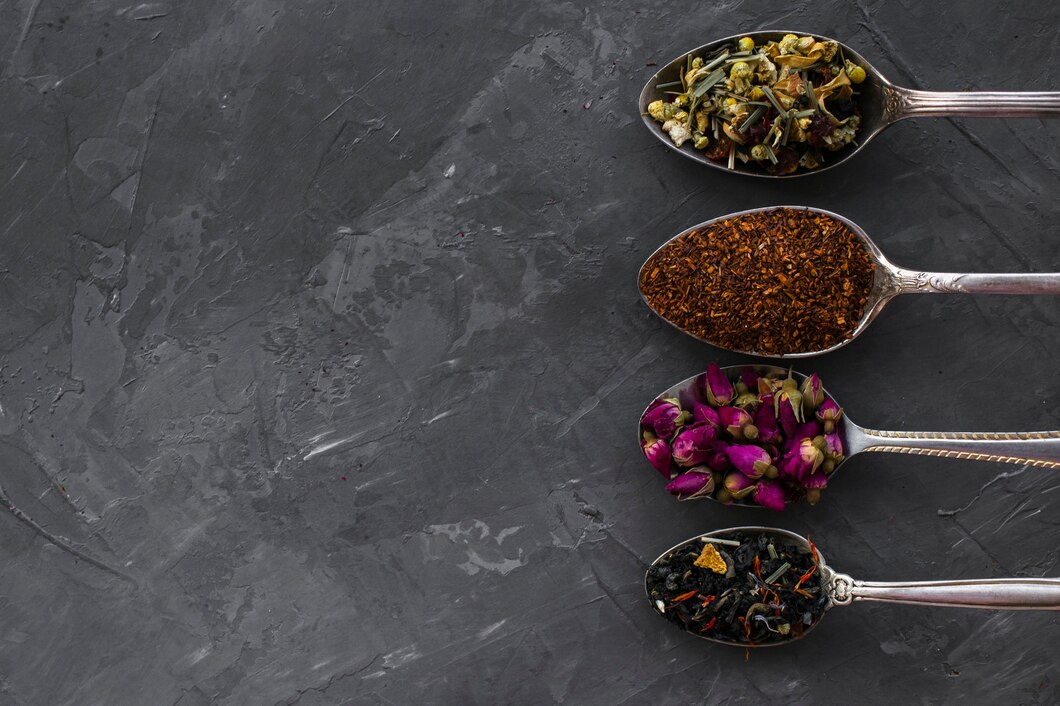
In many Kenyan communities, plant-based preparations are woven into the rhythms of daily life — offered to guests, prepared during illness, consumed seasonally or used as part of agricultural and spiritual rituals.
Understanding these traditions in their cultural context matters. The use of bitter herbs before meals, cooling infusions during hot seasons, or warming drinks during illness reflects accumulated community knowledge that predates modern pharmacology.
"Traditional botanical knowledge is a living archive — this guide aims to document it respectfully and without exaggeration."
Relujus editorial note
Kikuyu highlands
Bitter herbal preparations have traditionally been used in ceremonial and domestic contexts. Mukombero (wild ginger) and local aromatics appear in documented ethnobotanical records.
Coastal & Swahili communities
Influenced by Arab and Indian Ocean trade, Coastal Kenyan herbal practices incorporate spices like cardamom, cloves and cinnamon into everyday tea preparation — particularly in Mombasa's masala chai tradition.
Western Kenya & Luo communities
Lakeside communities around Lake Victoria have documented use of local herbs and roots, some of which are harvested seasonally and prepared as decoctions for household consumption.
Dried or fresh leaves, flowers or stems placed in hot water and steeped for a set time before the plant material is removed. The most common household preparation method.
Tougher plant material — roots, bark, woody stems — is simmered in water over low heat to extract compounds. Used for bitter herbs and roots that require prolonged extraction.
Leaves and flowers are spread to dry in indirect sunlight before storage in dry containers. Proper drying preserves the aromatic and botanical character of the plant material.
Traditional herbal knowledge across Africa has long recognised the role of bitter plants in supporting digestive routines. This is a pattern seen in cultures worldwide — from European digestifs to Ayurvedic preparation rituals.
In the Kenyan context, bitter herbal teas have traditionally been consumed before or after meals, during seasonal transitions or as part of cleansing routines. This guide documents that cultural pattern — not as medical guidance, but as educational context.
Important: Questions about gut health, digestive symptoms or parasite-related concerns should be directed to a qualified medical professional. This site does not offer health advice.
Many traditional Kenyan diets include bitter vegetables and herbs — a pattern consistent with other global food traditions that value flavour complexity and botanical diversity.
Herbal teas contribute to daily fluid intake. Clean water and consistent hydration are foundational public health recommendations regardless of herbal supplement use.
Symptoms related to gut discomfort, persistent changes in digestion or concerns about intestinal health require evaluation by a trained healthcare provider — not herbal self-treatment.
Continue reading