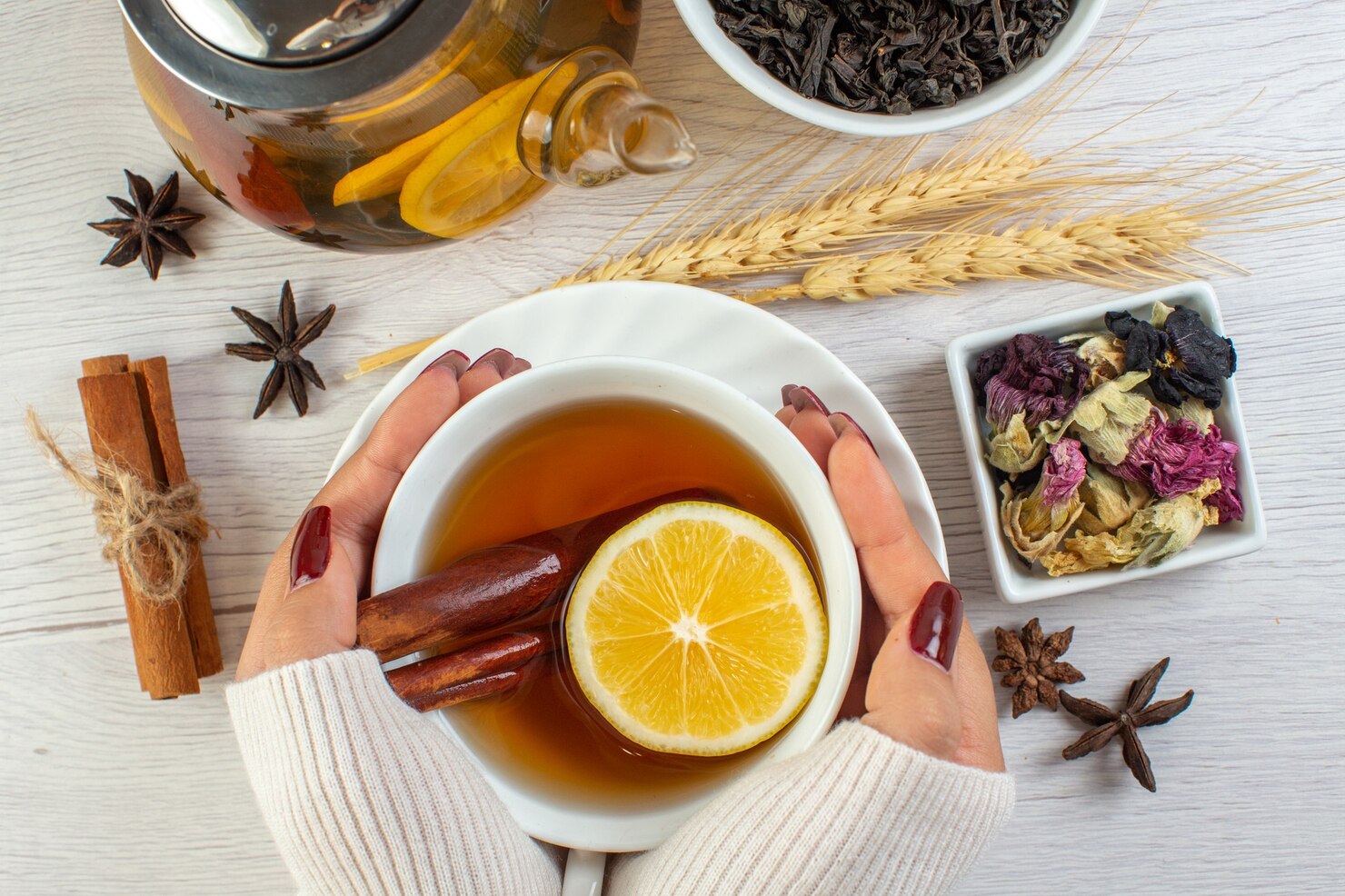
A look at the plant-based teas traditionally prepared across Kenya and the wider East African region — their origins, preparation methods and cultural context.
Read guide 01How traditional communities have historically used plant-based infusions as part of everyday wellness routines. General educational context — not medical guidance.
Explore 02Practical, evidence-informed habits around hydration, food hygiene, sleep and mindful movement that support overall wellbeing as part of a balanced lifestyle.
Learn more 03Kenya is home to a rich biodiversity of plants that communities have used for generations as part of everyday wellness practices. Many traditional remedies were prepared as infusions — what we now commonly call herbal teas.
This guide documents those traditions from an educational perspective. It does not make health claims, offer diagnoses or recommend substitutes for professional medical advice.
400+
Medicinal plant species documented in Kenya (general botanical reference)
5,000+
Years of recorded plant-based wellness traditions in the African continent
"Traditional knowledge deserves thoughtful documentation."
Relujus editorial notePlants like African Wormwood, Lemongrass and Neem have appeared in traditional preparation across communities. We document their cultural background and how they're typically used in teas.
From sun-drying and decoction to cold infusions — traditional and modern preparation practices that affect the sensory and botanical character of herbal teas.
General educational information on hydration, digestive hygiene and how herbal teas fit within a broader framework of mindful daily habits — without therapeutic claims.
Basic principles of food handling and water safety relevant to Kenya's everyday context, drawn from publicly available public health guidance — always consult a professional for personal advice.
Important notice
All content on this site is for general informational and educational purposes only. It is not a substitute for professional medical advice, diagnosis or treatment.
Choose a section to continue — the herbs guide covers plants and preparation, while wellness habits focuses on everyday routines.